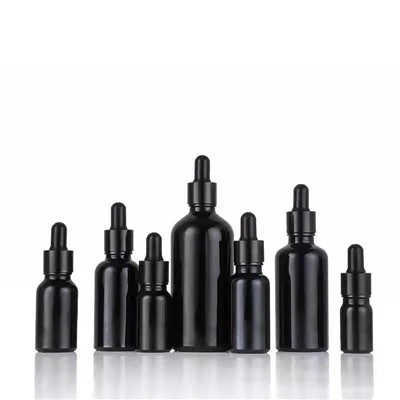
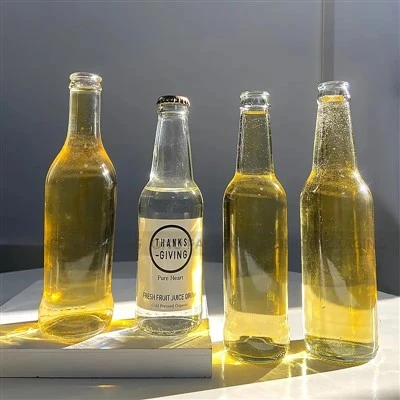
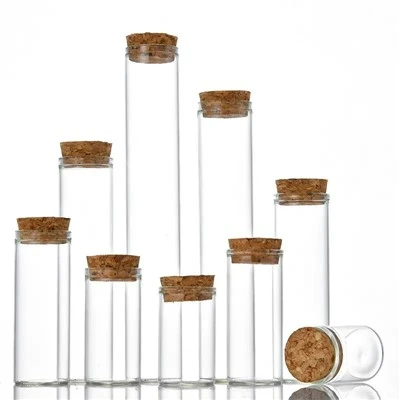
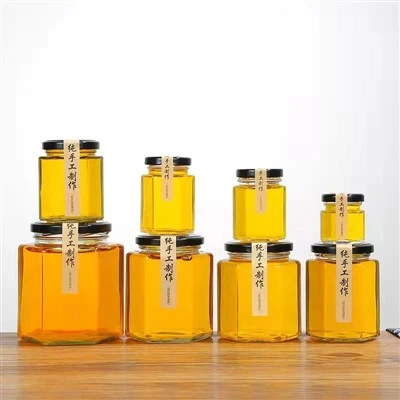
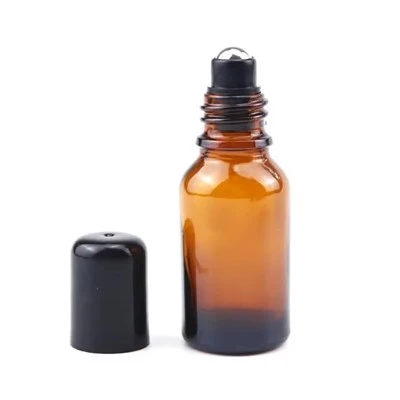
In recent years, the glass food storage jar market has experienced significant growth, driven by evolving consumer preferences for sustainable, safe, and aesthetically pleasing food storage solutions. As a cornerstone of modern kitchenware, these jars seamlessly blend functionality with design, catering to both practical and decorative needs.
1. Material Advancements and Sustainability
Glass food storage jars are primarily crafted from high-quality, eco-friendly materials such as borosilicate glass, renowned for its durability, thermal resistance, and chemical stability. Unlike plastic containers, glass does not react with acidic or alkaline foods, preserving taste and freshness. Leading manufacturers prioritize environmentally conscious production processes, utilizing recyclable materials to align with global sustainability goals. Innovations like high-temperature-resistant glass enable these jars to transition effortlessly from freezer to microwave, enhancing convenience for modern households.
2. Design Innovations and Customization
Modern glass food storage jars have moved beyond traditional cylindrical designs. Manufacturers now offer hexagonal, square, and artisanal shapes to cater to diverse consumer aesthetics. For example, square glass jars feature customizable options such as spray-painted finishes, decals, and logo printing, empowering brands to create personalized packaging. The integration of lug lids with metal clasps ensures airtight sealing-critical for preserving perishables like honey, jams, and spices. Transparent designs allow users to quickly identify contents, while embossed patterns or frosted finishes add elegance to kitchen decor, making glass food storage jars both functional and visually appealing.
3. Market Demand and Consumer Behavior
The global glass food storage jar market is projected to grow steadily, fueled by heightened awareness of food safety and eco-conscious consumption. Industry reports highlight consumer preferences for non-toxic, BPA-free materials and features like leak-proof seals and easy-to-clean surfaces. Regional trends also influence demand: Southern markets favor large-capacity jars for bulk storage, while Northern consumers prioritize compact, airtight designs for dry goods.
4. Emerging Applications and Niche Markets
Beyond traditional kitchen use, glass food storage jars are expanding into niche sectors:
- Health and Wellness: Storing herbal supplements, tea leaves, and homemade remedies.
- Premium Gifting: Custom-designed jars serve as upscale packaging for artisanal foods or cosmetics.
- Commercial Use: Restaurants and cafes adopt glass jars for bulk ingredient storage and display purposes.
Brands like Kilner and Glasslock have introduced double-walled jars with insulation properties, targeting coffee enthusiasts and specialty food markets.
5. Challenges and Future Trends
Despite industry growth, challenges such as high production costs and fragile logistics persist, particularly for exporters. However, future trends promise transformative opportunities:
- Smart Packaging: IoT-enabled lids to monitor freshness and shelf life.
- Circular Economy: Refillable jar systems to minimize waste.
- Hybrid Designs: Combining glass with bamboo or silicone components for enhanced durability and functionality.
The glass food storage jar industry embodies the fusion of tradition and innovation. As consumers increasingly prioritize sustainability and quality, manufacturers must continue refining materials, expanding customization options, and exploring new applications. With their balance of practicality and aesthetic appeal, glass food storage jars are poised to remain a staple in kitchens worldwide, adapting flexibly to the evolving demands of modern life.