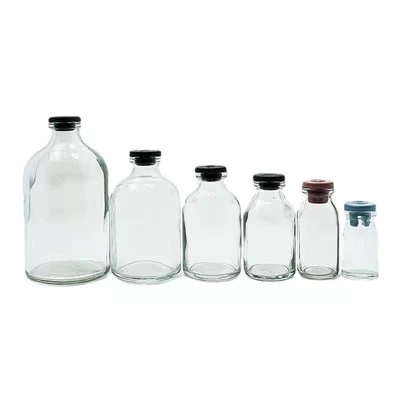
1. Material: Glass is Best
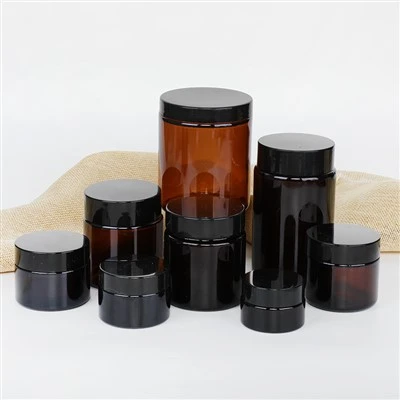
Dark-colored glass (amber, cobalt blue, or green) is ideal as it blocks 90% of UV light, preventing oxidation and preserving oil quality. Avoid plastic bottles, as chemicals in plastic can react with oils and degrade them.
2. Design Features
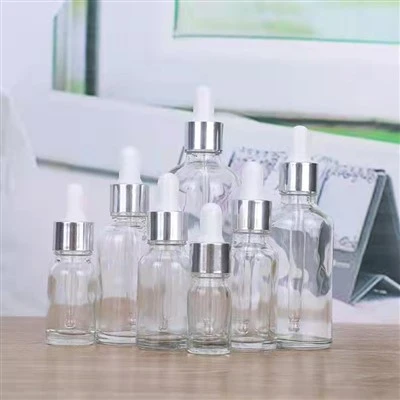
Dropper or orifice reducer: Ensures precise dispensing and reduces air exposure.
Rollerball tops: Convenient for direct skin application (e.g., diluted blends).
Airtight seals: Look for bottles with tight caps, rubber gaskets, or screw lids to minimize evaporation.
3. Capacity
Small bottles (5–10 mL): Suitable for travel or infrequently used oils.
Larger bottles (50–100 mL): Better for frequently used oils or bulk storage, but ensure minimal air space to reduce oxidation.
4. Light and Temperature Control
Store bottles in cool, dark places (e.g., cabinets or drawers) away from heat and sunlight.Avoid refrigerating oils unless specified; temperature fluctuations can degrade quality.
5. Special Considerations
For blends: Use separate bottles to avoid cross-contamination, and note that mixed oils have a shorter shelf life (∼2 months).
Reusability: Glass bottles can be cleaned and reused, but ensure thorough sterilization before refilling