


Pickles Bottles
Chuangxinzhe International Trade: a Professional Pickles Bottles Manufacturer
Our company has high production efficiency, reliable product quality, strict and perfect management system, and rich production experience.
Variety of Products
We are a glass bottle manufacturer that integrates mold opening, customized production and processing. Our products include essential oil bottles, ampoule bottle, pickle bottles, wine bottles, beverage bottles, tube bottles, food cans, cosmetic bottles, oral liquid bottles, plastic caps, aluminum caps, etc. We can offer a variety of color options including Amber/Cobalt Blue/Green/Black and Clear.
First-class Production Technology
In order to provide customers with high-quality glass bottles, we have also expanded our glass deep processing technology, such as color spraying, bottle decals, printing, etc. Our advanced production facilities and production technology ensure the highest standards in glass bottle production.
one-stop shopping
If the products on the following pages do not meet your size, From the moment you contact us, we will provide you with one-stop service from design drawings - mold making - production sample confirmation - mass production - production inspection - packaging - warehousing - transportation - after-sales, so that you have a perfect ordering experience, to provide you with cost-effective products.
Recognized by Many Parties
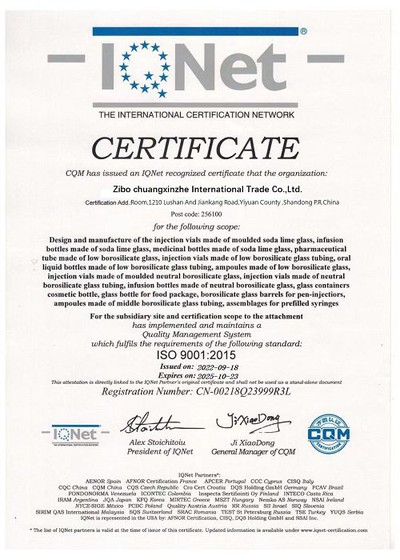
We have obtained multiple international certificates, including LFGB, SGS, ISO. We are a stable supplier to famous supermarkets and cosmetic companies around the world. At the same time, we have stable business cooperation in Southeast Asia.
-
![Round Pickle Bottle]() Round Pickle BottleRead More
Round Pickle BottleRead MoreRound pickle bottles are a popular choice for many consumers who enjoy homemade pickles and other
-
![Pickle Packing Bottle]() Pickle Packing BottleRead More
Pickle Packing BottleRead MorePickle Packing Bottle is a sustainable and reusable food container designed to pack and store
-
![Glass Bottle for Pickle]() Glass Bottle for PickleRead More
Glass Bottle for PickleRead MoreGlass bottle for pickle is a popular container for preserving foods such as pickles, jams, and
-
![Pickle Jar Glass]() Pickle Jar GlassRead More
Pickle Jar GlassRead MorePickle jar glass Made of high-quality glass, the container is perfect for preserving pickled
-
![Glass Jar with Lid for Pickles]() Glass Jar with Lid for PicklesRead More
Glass Jar with Lid for PicklesRead MoreThis glass jar with lid for pickles is perfect for storing pickles or any other small items. The
-
![Pickle Jar Packaging]() Pickle Jar PackagingRead More
Pickle Jar PackagingRead MorePickle jar packaging is A very popular pickle jar glass bottle to store and package pickled


Brief Introduction to Pickles Bottles
Pickles are a popular delicacy among households. Pickles are made from various fruits and vegetables and are stored in different kinds of pickle bottles, such as glass, plastic, metal cans or glass jars, etc. Each type of pickle bottle has its advantages. But using a pickle glass jar has its advantages and health benefits. Glass pickle jars material is environmentally friendly, can be reused, you can also use this glass jar to store honey, jam, ice cream and other food, with your favorite lid, printed on your unique LOGO, we can help you achieve.
Common Types of Pickle Jars
Here are some of the most common types of pickle jars:
Glass Pickle Jars
Glass pickle jars are popular for storing pickles and other preserved foods. They are durable, easy to clean, and can be used repeatedly. These can be a good option who need jars with lids at cheap costs. You can head over to glass jars with lids, which are cost-effective and contribute to saving the environment by reducing plastic from your home.
Ceramic Pickle Jars
Ceramic pickle jars are another popular choice for storing pickles. They are usually decorated with complex designs. And They can be a decorative addition to any kitchen. A range of ceramic accessories that pay tribute to the skills of artists.
Plastic Jars
Plastic pickle jars are lightweight and easy to handle. They are a good choice for people who need to transport pickles or other preserved foods.
Stainless-Steel Jars
Stainless steel pickle jars are durable and easy to clean. They are also non-reactive, which means that they won't affect the taste or quality of the pickles stored inside.
Earthenware Pickle Jars
Earthenware pickle jars are made from natural clay and are often decorated with traditional designs. They are popular in many parts of the world, and they can add a unique touch of style to any kitchen.
Glass Pickles Bottles Features
Easy to Clean
This is a huge advantage when it comes to storing pickles. Glass is a non-porous which resists dirt and hence is easily cleaned. You could simply look at the glass pickle jar and know when it requires cleaning. Glass pickle jars also allow faster drying in comparison to other materials like plastic.
Less Wastage
Since glass pickle jar is transparent it allows you to get an idea if the pickle is getting old and is close to its expiry date. So you could quickly put it to use by consuming it immediately therefore leading to less wastage of food. Also, these are beautiful to look when you store these glass pickle jars in your fridge.
Maintains Freshness
Pickles remain fresh longer in the glass jars than if you store them in plastic or metal jars. This is why pickle glass jars have been popular for a very long time dating back to 1860 when pickling was just discovered.
Safe
Not only these pickle glass jars easy to maintain but these also provide great health benefits. Glass is inert hence you will not ingest chemicals unlike when you store these pickles in plastic or metal jars or bottles. These plastic jars and BPA are endocrine disrupters with an estrogenic effect. These pickle jars can harm our health if consumed for a longer period. Hence, using a pickle glass jars is a much safer option.
Environment-friendly
These pickle jars are not only good for your health but also the environment. These can be recycled and used over and again thereby saving our natural resources and are therefore cost-effective.
Pickles Bottles Specifications
|
Product Name : |
Pickle jar packaging |
|
Capacity: |
50ml/100ml/120ml/150ml/200ml/240ml/350ml/450ml/500ml/770ml/1000ml and other custom size |
|
Colors Available for Jars : |
Transparent, Flint |
|
Other Service : |
Silk Screen Printing, Hot stamping; Planting Color, Labeling/Painting/ Coating/decal/frosted/electroplate and so on. |
|
Usage : |
Storage for nuts, honey, fruit jam, sauce, spice, snack, canned food, beans, chickpeas, other foods , chili oil , Pasta sauce , pickle , jam and etc. |
Custom Pickles Bottles: The Benefits You Will Reap
Preservation of Flavor and Freshness
One of the primary advantages of using glass pickle jars is their ability to preserve the flavor and freshness of the contents. Glass is a non-porous material, which means that it won’t absorb or impart odors or flavors into pickled foods. This inherent quality ensures that your preserved foods maintain their original taste, without any undesirable aftertaste or odor contamination. Whether it’s pickles, jams, sauces, or other delicacies, glass pickle jars offer a flavor-preserving sanctuary.
Versatility
The benefits of glass jars extend beyond pickles alone. Glass jars are versatile and can be used for a wide range of food preservation needs. From jams and jellies to pasta sauces and salsas, glass jars provide a safe and dependable environment for preserving various food products.
Sustainability
Glass is a recyclable material that can be used again and again without any loss in quality. By opting for glass jars, you help reduce plastic waste, glass is inert. It doesn’t release any chemicals into the food, ensuring that your preserved products remain safe and uncontaminated.
Airtight Seal for Extended Shelf Life
Glass pickle jars often come equipped with airtight seals, which are essential for prolonging the shelf life of pickled products. These seals create a barrier against air and moisture, preventing spoilage and ensuring that the contents remain fresh for an extended period.
Heat Resistance for Canning
Canning is a popular method for preserving foods, particularly pickles. Glass jars are heat-resistant and can withstand the high temperatures involved in canning processes. This heat resistance ensures that the jars remain intact, preventing breakage during canning and providing a safe environment for long-term storage.
Transparency for Visibility
Clear glass jars offer a unique advantage - they provide transparency. Consumers can easily see the contents of the jar, ensuring that the quality and appearance of the pickles are on full display. This transparency can be a powerful selling point, especially for brands that take pride in their high-quality pickled products.
Customization for Branding
Glass pickle jars are easily customizable. Food brands and retailers can add labels, branding, and decorative elements to the jars. This customization not only enhances the visual appeal of the products but also creates a distinct brand identity. Customized glass jars are perfect for showcasing your brand’s personality and quality.
No Staining, No Odor Absorption
Glass jars do not absorb colors or odors from the pickled contents. This ensures that the jars remain visually appealing and odor-free over time. You can count on glass pickle jars to maintain their pristine appearance and keep the contents free from any unwanted odors or discoloration.
Long-Term Durability
Glass jars are known for their durability. They are less prone to scratching and wear, making them a reliable choice for packaging and transportation.
The Ultimate Guide to Choosing the Right Glass Jars for Your Products
When it comes to packaging your products, choosing the right glass jars can make a significant difference in how your products are presented and preserved. As a leading wholesale glass jar and bottle supplier, we understand the importance of making the perfect selection. In this comprehensive guide, we'll walk you through the essential factors to consider when choosing glass jars for your products and showcase some of our top-quality options.


Size Matters
One of the first considerations when selecting glass jars for your products is the size. Think about the volume of your products and how much space they require. Are you packaging spices, jams, or beauty products? We offer a wide range of glass jars in various sizes to suit your specific needs. For smaller items, our mini glass jars are perfect for a touch of elegance, while our larger jars can accommodate bulk items.
Shape and Style
The shape and style of your glass jars can set the tone for your product's presentation. Our collection includes a variety of shapes, from classic round jars to unique square and hexagonal options. Whether you want a vintage look or a modern, sleek design, we have glass jars to match your brand aesthetic.
Closure Types
Consider the type of closure you need for your glass jars. Our product line includes jars with various closure options, such as screw-on lids, cork tops, and pop-up button lids. The choice of closure can impact the product's freshness and ease of use.
Glass Type
The type of glass used can influence the durability and appearance of your glass jars. Our glass jars are made from high-quality materials to ensure they are not only aesthetically pleasing but also sturdy. We offer clear and amber or frosted, spray painting, bottle body custom LOGO and other services coloured glass options to suit your product's specific requirements.
Brand Customisation
To make your glass jars stand out, consider customisation options. Considering labelling and branding your jars that can include your logo, product information, and labels that complement your branding.
Quality Assurance
We take pride in delivering the highest quality glass jars. Our products undergo rigorous quality control checks to ensure they meet the industry's standards.
DIY: Steps to Making Your Own Pickles in Glass Jars
Pickles are created when cucumbers are introduced to brine, but pickling isn’t restricted to this one type of vegetable. Asparagus, radishes, beets, and okra are only a few of the many plants that pickle well. Even meat like fish, eggs, and oysters can be pickled. If vegetables aren’t appealing, pickled fruits like prunes, grapes, and cranberries can add an extra dash of flavor to any dish. For traditional pickles, the cucumbers will first need to be washed. Slice off the blossom end of the cucumber (the end opposite the stem), and trim the stem to about a quarter-inch in length. The blossom end houses a special enzyme that if left on during the pickling process will make the pickles soft and could make them spoil more quickly. Cleaning and cutting the cucumbers should only take five to ten minutes.
This is another quick step, since it only takes five minutes and a bit of creative thought. Pickles are frequently brined along with fresh garlic and dill, but other seasonings, like turmeric or bay leaves, can add a unique flavor profile to the finished product. The amount of seasoning to be added depends on the specific recipe. As a rule of thumb, four pounds of cucumbers should receive around two and a half tablespoons of seasoning. Garlic can be added in whole cloves or in slices, depending on your preference. Ground cloves, mustard seed, and celery seed are favorite additions for bread-and-butter pickles, especially when thinly sliced onions are added to the brine. A few fresh jalapenos will give the pickles a kick of spicy heat. It all depends on the flavor profile you want your pickles to have. If you’re not sure, experiment with a few batches to see what you like.
Add half of the seasonings into the bottom of the jar selected for pickling. Put the cucumbers into the jar: It’s OK if the fit is snug. Once all of the cucumbers are in, add in the rest of the seasonings. Make sure there’s enough room for the lid to fit on the top. Depending on the amount of pickles being made, this step can go as quickly as a minute for one jar or 15 minutes for several containers.
The brine is the active component in making pickles, so it’s important to carefully follow the recipe. A basic sour brine includes a gallon of water, a quart of white vinegar, and a half-cup of salt. To make the brine, boil all of the brine ingredients until well dissolved, then slowly pour it into the jar over the cucumbers. Leave about a half-inch of space between the brine and the top of the jar. Finally, cover the jar with its lid. This process could take as long as 15 minutes, depending on how much brine you’re making. If you’re pickling something other than pickles, white vinegar may be swapped out for apple cider vinegar or may be omitted entirely. Check the recipe to see what’s recommended for your chosen vegetable, fruit, or meat.
This step could take anywhere from one to six weeks. Store the container in a shady place at room temperature while the fermentation process occurs. If any scum appears on the surface of the brine, remove it and replace the lid. After at least a week, the cucumbers will have transformed into deliciously crunchy, tangy pickles. Store your new homemade pickles in the refrigerator. Leaving the cucumbers to brine longer will enhance the flavor, but when in doubt, follow the directions of the recipe. If the pickles become soft, slippery, or slimy, this is an indication that they have spoiled and should be discarded.
Our Certificate
Below are our certificate:


Our Factory
Below is our factory:


Ultimate Guide
Q: Can mason jars be used for pickling?
Q: Are glass pickle jars recyclable?
Q: How to open a glass pickle jar?
*Rubber grip or glove: Enhance your grip by using a rubber grip pad or wearing a rubber glove. The added traction reduces slippage and facilitates a firmer hold.
*Tap the lid: Gently tap the edge of the lid with a spoon or the handle of a butter knife. This can help break the seal, making it easier to turn.
*Use a jar opener: Invest in a jar opener designed for stubborn lids. These handy tools provide extra leverage, making the task less daunting.
*Run hot water on the lid: Hold the lid under hot running water for a minute. The heat aids in expanding the metal, loosening its grip.
Q: Can I put glass jars in the freezer?
Q: What is Type III Glass?
*Type I glass is also called borosilicate glass, a neutral glass that has high hydrolytic stability making it perfect for storing injectable products like drugs.
*Type II glass is derived from Type I through a process that uses a special treatment made of ammonium sulfate. The treatment is applied to the surface of the glass to increase its hydrolytic stability. Type II glass is used to store acids.
*Type III glass is made out of soda-lime with very low alkali content. This gives it the highest hydrolytic stability suitable for storing sensitive liquids and solutions like alkalines.
Q: Why pickles are kept in glass bottles?
Q: What was special about the pickle jars?
Q: Can we put pickle in glass jar?
Q: How to sterilize jars?
*Place the jars upright on a wire rack in a large pot, fill pot with hot water until the jars are submerged, and bring the water to a boil. Boil for 10 minutes, turn off the heat, and leave jars in the water. Sterilize the lids according to the manufacturer's instructions.
*Using stainless-steel tongs, lift the jars from the pot, and place them on a padded layer of clean towels.
Q: How to seal pickle glass jars?
*Eliminate air bubbles by poking through the contents of the jar with a chopstick or wooden skewer.
*Place the lid onto the rim and, using one finger to hold the lid securely, twist on the screw band until it's tight.
*Put a wire rack on the bottom of a large pot, and fill the pot with hot water. Use a jar lifter to place each jar on the rack. Add enough water to cover the jars by 2 inches, and bring the water to a boil.
*Boil the jars for 10 minutes; remove from the water with a jar lifter, and allow the jars to stand on the towels for 24 hours. When the jars are cool, check for a slight indentation in the lid, which indicates a vacuum seal.
Q: How long do pickles last in a glass jar?
Q: Why can pickles be stored for so long?
Q: Do pickles need to be airtight?
Q: How do you make a glass jar airtight?
*Use a rubber gasket: Some jars, such as mason jars, come with a rubber gasket that can be used to create an airtight seal. To use a rubber gasket, simply place the gasket in the lid of the jar and screw the lid on tightly.
*Use a vacuum sealer: A vacuum sealer is a device that removes the air from a jar or other container and creates an airtight seal. To use a vacuum sealer, you will need to place the jar in the sealer and follow the manufacturer's instructions to create the seal.
*Use a silicone lid: Silicone lids are designed to create an airtight seal on jars and other containers. To use a silicone lid, simply stretch the lid over the opening of the jar and press down to create a seal.
*Use a clamp lid: Some jars, such as pickle jars, come with a clamp lid that can be used to create an airtight seal. To use a clamp lid, place the lid on the jar and tighten the clamp to seal the jar.
Q: How do you store pickle jars?
Q: Do pickles need to be sealed?
We're well-known as one of the leading pickles bottles enterprises in China, specialized in providing high quality customized service. Please rest assured to wholesale pickles bottles at competitive price from our factory. Contact us for free sample.
Pickle Jar Packaging, Pickle Packing Bottle, Glass Bottle for Pickle